National Overview
The national average held at $34,139 in March, up 0.5% from February and 3.25% year-over-year. But beneath the headline, the powertrain composition of the market is shifting faster than at any point in our data.
The macro environment shifted sharply in March. The Iran-Hormuz crisis sent national gas prices from roughly $1.35/L to $1.97/L, the largest energy supply disruption since the 1970s. New vehicle sales dropped 8.2% year-over-year in March (DesRosiers), the steepest monthly decline in years, with gas prices, tariffs, and economic uncertainty all compounding.
The used market's headline response was muted: prices were up 0.5% month over month. But the composition of what's selling changed dramatically. EV prices fell $1,765 in a single month while gas prices held steady. The forces beneath the surface are pulling in very different directions.
Provincial Pricing
Alberta leads the country at $37,735, but the West-East gap widened to $9,114, the largest spread in our data window.

Nova Scotia posted the highest YoY increase at +6.3%, overtaking Quebec (+5.8%) as the fastest-rising province. Ontario rose 4.2% YoY, continuing its steady climb.
Alberta is essentially flat YoY (-0.2%), one of the few provinces with a negative year-over-year change. Quebec dipped MoM despite strong YoY growth.
Gas prices varied widely by province in March: BC topped $1.99/L while Alberta sat at $1.64/L. Whether that gap translates into different EV and hybrid demand patterns by region is worth watching.
Monthly Price Trends
National prices have traded in a roughly $600 range since September 2025. March's $34,139 sits $83 below the September peak, confirming the plateau rather than resuming the climb.
The 14-month climb from mid-2024 added $2,689 to the national average. Since September 2025, prices have oscillated between roughly $33,600 and $34,250 without breaking higher. The YoY gap continues to narrow: it was +7.6% in September, +3.0% in February, and now +3.25% in March.
Whether the plateau holds into summer depends on two forces pulling in opposite directions: gas prices pushing more buyers to consider fuel-efficient options, and the EV supply wave pushing prices lower in the fastest-growing segment.
The EV Supply Wave
Used EV prices fell $1,765 in a single month, the largest monthly drop in our data. EV share jumped from 4.0% to 5.4% in one month as the 2022-2023 off-lease wave arrived in full force.
Combined EV and hybrid share hit 11.84%, approaching one in eight sold vehicles. Gas dropped below 89% share for the first time.
The EV-gasoline price gap compressed to $6,113, down from $9,516 a year ago. That's a 36% narrowing in 12 months.
What's Driving the Price Drop
Within-model EV depreciation hit -$6,289 year-over-year, the steepest in our data and accelerating from February's -$5,466. Every single EV model in our dataset depreciated. The headline decline of -$2,269 is cushioned by mix shift toward premium models (+$2,238) and new luxury entries (+$1,781), but the average EV owner's vehicle lost roughly $6,300 in like-for-like value over 12 months.
The single-month story is different. March's $1,765 drop was 96% mix effect: a surge of more affordable EVs entered the sold pool, pulling the average down. Existing EVs didn't suddenly lose $1,765 in value overnight. The composition of what sold changed because sub-$35,000 EVs are flooding the market.
Gasoline within-model pricing was flat at -$194 YoY. The $1,136 headline increase is almost entirely composition. Gas vehicles aren't getting more expensive individually.
The January Prediction, Confirmed
In January, this report predicted the 2022-2023 off-lease wave would build used EV supply while chip-shortage-era gas lease returns would tighten ICE inventory. March confirms both sides.
The average model year of sold EVs rose from 2021.70 to 2022.44 year-over-year. The wave is here. On the gas side, within-model pricing stayed flat (-$194), consistent with tighter supply holding values.
Over Half of Used EVs Now Sell Under $35,000
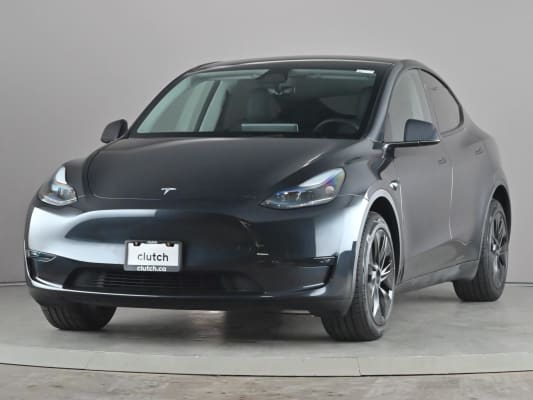
Over half of all used EVs sold in March were priced under $35,000. A year ago, fewer than half were. The share of sub-$30,000 EVs jumped from 37.1% to 43.3% in 12 months. A used Tesla Model 3 now averages $28,499. A Nissan LEAF averages $16,443. A Chevrolet Bolt EV, $19,542.
For context, the average used gasoline vehicle costs $32,288. The cheapest EVs now cost less than most gas cars.
Why Prices Are Falling Despite Surging Demand
On the Clutch platform, EV searches grew 96% over 60 days, with growth accelerating after the gas price spike in early March. Hybrid searches surged 66%. Combined, 16% of all Clutch searches are now for electric or hybrid vehicles, up from 10.6% in late January.
So why aren't prices stabilizing? Because the demand surge is a response to the price decline, not independent of it. The models that dropped most in price saw the largest increases in sales: the Toyota bZ4X fell 18% and sales tripled. The Ford F-150 Lightning fell 16% and nearly tripled. The Kia Niro EV fell 19% and doubled.
Lower prices are unlocking buyers who couldn't say yes at previous price points. But the supply wave is still outpacing demand. Active EV listings in the broader market average 92 days on market, compared to 77 for gasoline vehicles. EVs are moving, just not as fast as they're arriving.
The Depreciation Story Has Broadened
For much of 2023 and 2024, Tesla's aggressive new-vehicle price cuts were the primary driver of used EV depreciation. That's changed. Within-model depreciation for non-Tesla EVs was -$6,648 year-over-year, now steeper than Tesla's -$5,175. The Ford Mustang Mach-E fell 21.5%, the Audi e-tron 25.7%, the Audi Q4 e-tron 20.7%.
Non-Tesla's headline average looks more stable only because premium model entries (BMW i4, Cadillac LYRIQ) and upmarket mix shift cushion the average. Strip that out, and the depreciation is now broad-based across every EV brand.
Hybrids: The Opposite Market
Hybrid prices also fell ($577 MoM, $1,774 YoY), but the market dynamics are inverted. Hybrid supply is tight: active listings average 79 days on market compared to 92 for EVs. New hybrid listings entering the market surged 36% month-over-month in March, but demand is absorbing them. Hybrids are selling nearly as fast as gas vehicles despite higher average prices.
Hybrid search demand on Clutch grew 66% over the same 60-day window, and hybrid searches actually started higher than EV searches in late January before EV overtook them in early March. Hybrids are a seller's market. EVs are becoming a buyer's market. Both are "electrified," but they're operating in opposite conditions.
British Columbia has the highest electrified share in the country: 10.6% EV and 9.2% hybrid, meaning nearly one in five used vehicles sold in BC is electrified. Quebec's used EV prices are the lowest nationally at $33,117. Years of generous Roulez Vert rebates (up to $8,000 on new EVs before 2025) drove the highest new EV adoption rate in Canada, and those vehicles are now flowing into the used market in volume, compressing prices. Alberta EVs fell 19.4% YoY, the steepest provincial decline, on very low share (1.7%).
Body Style Breakdown
The car-to-SUV shift that dominated 2024 and 2025 has plateaued, at least for now. Car share bottomed at 21.2% in January and held around 22% through March. SUVs eased from their 62.6% January peak to 61.8%. Trucks remain stable around 16%.
The pattern is familiar: composition drives car and SUV prices higher while individual models are flat or declining. Cars rose $989 YoY, but $1,507 of that came from mix shift toward pricier models. Within individual car models, prices fell $731. Budget cars continue to leave the pool.
SUVs were up $353 YoY. Mix shift (+$772) and new model entries (+$332) offset a within-model decline (-$750). Almost perfectly cancelling forces.
Trucks remain the only segment with genuine like-for-like appreciation (+$241), though that pricing power is softening. In February's report, the within-model truck figure was +$742. Sierra and Silverado still posted +5% YoY gains, but the trend is decelerating.
Manitoba car prices surged +12.1% YoY, the highest car price increase of any province, consistent with the mix-shift pattern playing out more aggressively in smaller markets. BC and Alberta trucks both sit near $50,000. Alberta is the only province where all three body styles are flat or declining year-over-year, a shift from its usual premium pricing trend.
Affordability
Budget inventory continues to erode across all segments, but EVs are beginning to fill the gap at the low end.
Atlantic Canada saw the steepest affordability erosion in trucks (-5.2 pp YoY), while Manitoba cars lost 7.1 pp of budget share, the largest single-segment drop. Alberta is the only province where budget share grew across all three body styles, likely reflecting its flatter pricing environment and energy sector stability.
The erosion is consistent but not accelerating nationally. The more interesting story is what's entering the affordable pool. EVs under $20,000 grew 71% month-over-month. In the sub-$20,000 market, EV and hybrid vehicles now account for 5.4% of sales, up from 3.5% a year ago. As gas budget inventory shrinks, affordable EVs are beginning to fill some of that space.
Top-Selling Models
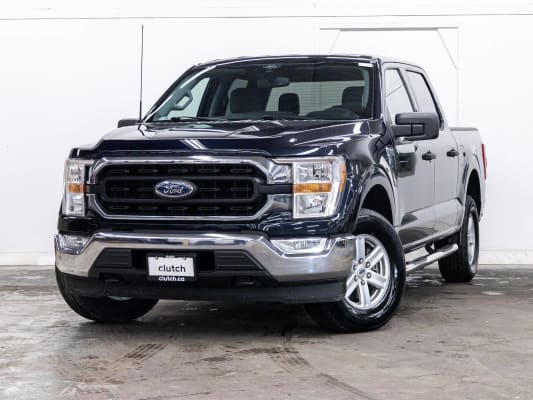
The Ford F-150 leads at 2.79% market share, with four trucks in the top ten reinforcing pickup demand.
The Silverado (+5.2% YoY) and Sierra (+5.1% YoY) continue to appreciate, consistent with the truck within-model story from the decomposition. The Civic and Elantra both lost share YoY, reflecting the ongoing contraction in car share. The Ram 1500 Classic posted the steepest price decline in the top 15 at -5.8% YoY as the model transitions out of production.
No EV models appear in the top 15. The Tesla Model 3, the best-selling EV, sits at roughly 0.7% share. At $28,499, it's now cheaper than most of the models above it.
Market Makers
The models with the largest impact on the fuel type decomposition are almost all electric this month. These are the individual vehicles driving the -$6,289 within-model EV decline.
For much of 2023 and 2024, Tesla's new-vehicle price cuts were the primary driver of used EV depreciation. That's changed. The Mustang Mach-E (-21.5%), Audi Q4 e-tron (-20.7%), and Porsche Taycan (-20.7%) are now depreciating as fast or faster than any Tesla model. Within-model depreciation for non-Tesla EVs was -$6,648 year-over-year, steeper than Tesla's -$5,175.
The models with the steepest price drops are also the ones where sales grew fastest. The F-150 Lightning fell 16.2% in price and its share nearly tripled. The Toyota bZ4X fell 18.2% and its share more than doubled. Lower prices are unlocking buyers who couldn't say yes at previous price points.
On the truck side, the Silverado and Sierra continue to appreciate (+5.2% and +5.1% YoY), but the pricing power is softening. The within-model truck figure is +$241, down from +$742 in February, suggesting the truck pricing cycle may be peaking.
Budget Buys
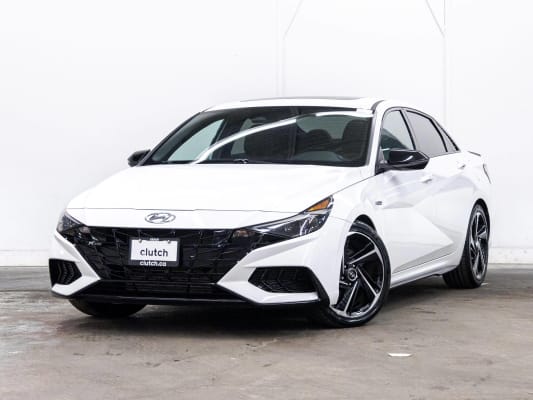
The Hyundai Elantra continues to dominate budget cars at 10.2% of the under-$15K segment. The Ford Escape leads budget SUVs by a wide margin, and the F-150 holds the top spot in budget trucks with over 22% of the under-$30K segment.
43% of all used EVs sold in March were under $30,000, up from 37% a year ago. The Nissan LEAF at $16,443 and the Bolt EV at $19,542 are now priced below the average budget gas car.
What to Watch
The EV supply wave isn't done. The 2022-2023 off-lease cycle is still early. More EVs will flow into used inventory through the summer. Whether within-model depreciation slows or accelerates from here will depend on how quickly demand absorbs the incoming supply.
The Hormuz situation sets the floor for gas prices. If the Strait reopens, gas prices retreat toward $1.40-$1.50/L and the urgency around fuel efficiency fades. If it stays closed into summer, $2.00+/L becomes the new normal, and the structural push toward hybrid and electric vehicles intensifies.
EVAP is just getting started. The federal $5,000 EV rebate has been live since February 16, with the dealer portal opening March 31. Every new EV purchased under EVAP will eventually generate a trade-in that flows into used inventory. The used EV supply wave has a second act coming.
Hybrid supply will lag demand. With hybrids at 16.9% of new sales but only 6.4% of used sales, the mismatch will take 2-3 years to resolve. Until then, expect tight supply and firm hybrid pricing.
The CUSMA review begins July 1. The six-year joint review of the US-Mexico-Canada auto trade agreement could reshape cross-border vehicle flows and pricing. Combined with ongoing 25% US auto tariffs and Canada's retaliatory tariffs, the trade environment remains the biggest wildcard for the second half of 2026.
About This Data
This report is based on Clutch's data, collected from retail vehicle sales reported across Canada. The analysis includes vehicles that meet the following criteria:
Demand signal data (search trends) are based on Clutch platform activity for the 60-day period ending March 26, 2026. Supply data references broader market listings beyond Clutch's own inventory.
References to "cars" include sedans and hatchbacks. SUVs include crossovers and sport utility vehicles. Trucks include pickup trucks. Fuel types: "Gasoline" includes flex-fuel; "Hybrid" includes plug-in hybrids; "EV" refers to battery-electric vehicles only.
Smaller provinces with lower sales volume may be influenced by individual outliers, creating greater month-over-month fluctuations.
Source: Clutch Technologies Inc.
.avif)

.avif)
-02.avif)