Cash for Cars in Canada: How to Sell Your Scrap, Junk, or Salvage Vehicle
Do you have an old, damaged, or unwanted vehicle sitting in your driveway collecting dust? Whether it's a rusty sedan that barely runs, a high-mileage SUV you're ready to part with, or a vehicle that's been written off by insurance, there are ways to turn it into cash or valuable trade-in credit.
Across Canada, multiple options exist for disposing of vehicles that have seen better days. You can scrap it for metal, sell it as-is to a junk or salvage yard, or—if it's still drivable—get a competitive online offer from a company like Clutch. Even if the vehicle isn't in great shape, you might be surprised at how much it's still worth.
This guide will walk you through how to sell a scrap, junk, or salvage car in Canada, the differences between these terms, how to avoid common cash for cars scams, and why Clutch could be the best option if your vehicle is still roadworthy.
Scrap vs. Junk vs. Salvage Cars – What's the Difference?
When looking to sell an older or damaged vehicle, people often use the terms scrap, junk, and salvage interchangeably—but these classifications have distinct meanings. Understanding the differences can help you figure out which selling option makes the most sense for your situation, and whether your vehicle is still eligible for a trade-in offer from Clutch.
Scrap Cars
Definition: Scrap cars are vehicles that have reached the absolute end of their useful life and hold no resale value beyond their raw materials.
Typical condition:
- Not drivable or not worth repairing
- Severe rust, engine failure, or extensive body damage
- Often missing parts
- Usually sold by weight to a scrapyard for metal recycling
Best option: Sell to a licensed scrap yard or metal recycler
Junk Cars
Definition: Junk cars are unwanted or neglected vehicles that may still function but are considered outdated, unreliable, or have minimal market value.
Typical condition:
- May still drive but have high mileage or cosmetic damage
- Might have minor mechanical issues
- Usually not worth fixing up to resell privately
- Often sold to junkyards or “cash for cars” businesses
Best option: Sell to a cash for cars buyer or explore trade-in options if still drivable
Get an instant offer on your junk car from Clutch
Salvage Cars
Definition: Salvage cars have been written off by insurance due to damage but could still be repaired and put back on the road. These vehicles carry a "salvage title" until re-certified.
Typical condition:
- Accident-damaged, flood-damaged, or stolen and recovered
- May still run but require inspection and certification before road use
- Value varies depending on repair costs and title status
Best option: Sell to a salvage buyer or repair/rebuild if it makes financial sense
Get an instant offer on your scrap car from Clutch
Ways to Sell a Scrap, Junk, or Salvage Vehicle
After determining whether you're dealing with a scrap, junk, or salvage vehicle, your next decision involves choosing the best selling method. Your options will depend on the car's condition, title status, and whether it's still drivable.
Here's an overview of the most popular ways to convert your old vehicle into cash or trade-in value:
1. Sell Privately
Private sales might yield the highest price—but they typically require the most time and effort. You'll need to:
- List your car on classified sites
- Deal with tire-kickers, lowballers, and time-wasters
- Manage paperwork and ownership transfers
This approach may not be practical if your vehicle is aged, rough around the edges, or unlikely to pass a prospective buyer's inspection.
2. Trade It In at a Dealership
Dealerships typically accept trade-ins, though their offers can be substantially lower than selling privately or through Clutch. Most dealers aim to resell your car at a profit, so their margin often comes out of your payout.
Pros: Convenient when purchasing another vehicle immediately
Cons: Limited to dealerships' resale standards, lower offers
3. Sell It to a Scrap Yard
When your car no longer runs and repair costs exceed its value, selling for scrap becomes viable. Scrap yards pay based on the vehicle's weight and the current market value of metals like steel and aluminum.
Note: You'll need to remove your plates, cancel your insurance, and in some cases, arrange for a tow.
4. Sell It to a Junkyard or Auto Recycler
Junkyards and auto recyclers sometimes provide better payouts than scrap yards when your car contains valuable components (like a working engine, transmission, or catalytic converter). They may strip the car for resaleable components and recycle the rest.
This is a good option if your car still has salvageable parts but isn't roadworthy.
5. Sell It to a Salvage Buyer or Rebuilder
When your car has been insurance-written but remains repairable, salvage buyers or rebuilders who specialize in restoration become potential customers. These buyers often purchase through auctions or online marketplaces and specialize in fixing damaged vehicles.
You'll need to disclose the salvage status, and the car will likely need a structural safety inspection before it can legally be driven again.
6. Sell It to Clutch (If It's Drivable)
When your vehicle remains operational and roadworthy, Clutch provides Canada's most straightforward, fastest, and transparent selling experience. Just enter a few details about your car online and get a no-obligation offer instantly.
Why choose Clutch:
- Competitive offers for drivable vehicles, even if they’re older
- No age or mileage restrictions
- Pickup from your home for select vehicles
- Skip the dealership, haggle-free
- Fully online process
What Types of Scrap and Salvage Vehicles Can Clutch Buy?
Unlike many scrap or junk car buyers who only accept completely end-of-life vehicles, Clutch operates differently. We specialize in buying older, high-mileage, or lightly damaged vehicles that are still drivable—even if they wouldn't sell for much on the private market.
When your car starts, drives, and meets legal road operation requirements, Clutch will likely make you an offer—regardless of age or odometer reading.
We accept vehicles that are:
- Drivable (i.e., start, move, and stop under their own power)
- Mechanically sound enough to operate safely
- Registered and legally roadworthy (in your province)
- Older or high mileage — we don’t have strict thresholds
- Cosmetically worn — minor dents, faded paint, and interior wear are okay
- Outdated or unwanted — even if dealerships wouldn’t be interested
We don't accept:
- Vehicles that don’t run or require towing
- Vehicles without proof of ownership or registration
If your vehicle meets these criteria, you can receive a free, no-obligation online offer within seconds using Clutch's sell or trade tool. If you accept, we'll even pick it up from your home—no dealership visits required.
How to Get the Best Cash-for-Cars Deal
Whether you're dealing with a junk car, a drivable older vehicle, or a repaired salvage unit, maximizing your payout requires strategic approach and awareness of common pitfalls—no matter who you sell to.
1. Shop Around
Avoid accepting the first offer you receive. Scrap yards, junk buyers, and trade-in services all use different methods to evaluate vehicles, so it pays to compare.
When your car still operates, avoid selling it purely for scrap value. A running vehicle often qualifies for more through resale or trade-in than it would as raw metal.
- Get quotes from multiple buyers: junkyards, salvage yards, scrap metal dealers, and online platforms like Clutch.
- Use tools like Clutch’s Car Value Calculator to see what your car might be worth in today’s resale market.
2. Be Honest About the Vehicle's Condition
Cash for cars buyers calculate their offers based on the condition details you provide. If you exaggerate or omit key details—like engine issues or body damage—the final offer might change when the car is inspected or picked up.
Being accurate helps you:
- Avoid last-minute renegotiations
- Get faster, more reliable quotes
- Keep the process smooth and transparent
3. Have the Right Paperwork Ready
To sell a car in Canada—whether it's going to a junkyard, dealer, or Clutch—you'll typically need:
- The vehicle registration or proof of ownership
- A valid photo ID
- The bill of sale or transfer form (if required in your province)
For salvaged but repaired vehicles, ensure they have completed required inspections and carry "Rebuilt" rather than "Salvage" status.
4. Consider Payment Method and Convenience
Cash for cars buyers use various payment methods. Some offer cash, others write cheques, and some use e-transfers. If quick payment is important to you, confirm this up front.
Also consider:
- Does the buyer offer towing or pickup?
- How quickly can they complete the sale?
- Is the process online or in-person?
Clutch handles everything online. If your car qualifies, we'll pick it up and pay you fast—no dealership visits required.
5. Avoid Common Cash-for-Cars Scams
A few red flags to watch for:
- A buyer who asks for your signed ownership before giving you a quote
- Offers that are too good to be true, especially if they haven’t seen the car
- Last-minute changes to payment method (e.g., cash promised, cheque delivered)
- No company reviews, no traceable phone number or address
Clutch provides a transparent and secure cash for cars process—no lowballing, no surprise fees, no pressure.
Know Your Options—And Get a Fair Deal
Selling a scrap, junk, or salvage vehicle shouldn't be complicated—or unprofitable. Whether your car is barely hanging on or simply too old to bother trading in at a dealership, you still have options.
- If it’s truly at the end of its life and no longer running, selling to a scrap yard or junkyard can help you clear space and get some cash in hand.
- If it’s been written off but is repairable, a salvage buyer or rebuilder might be interested.
- But if your vehicle still runs—even if it’s older, high-mileage, or has seen better days—Clutch may offer you more than any scrap yard will.
Clear out the old. Convert what's still functional into cash. Clutch is here to make the process easy, transparent, and worth your time.
With minimal effort, you can transform your old car into cash and free up valuable space in your garage or driveway for a newer, higher-quality vehicle.
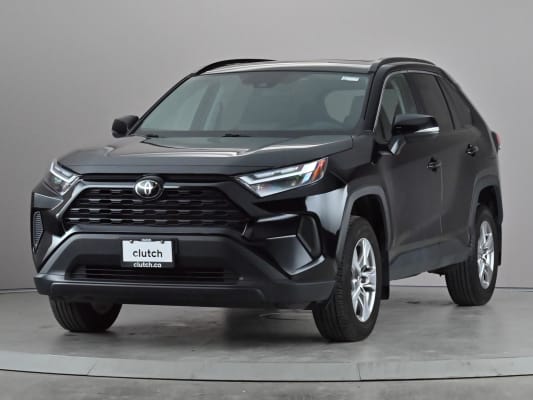
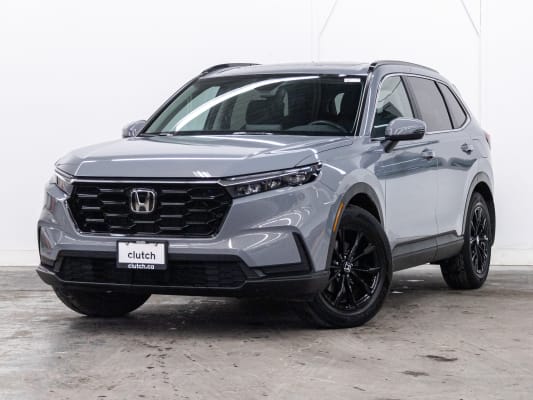
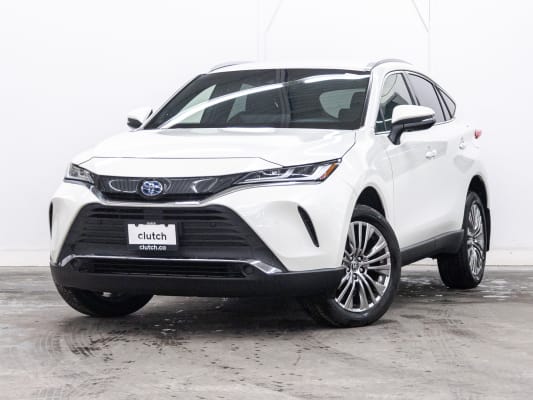
Speaking of high-quality vehicles, Clutch also helps you find your replacement car. We offer only the highest-quality used cars that have been through a 210-point inspection and reconditioning processes and include 3-month or 6,000-km warranties. Additionally, we provide a 10-day, 750-km test-own period. If you don't love your vehicle during this time, you can return it for a refund or exchange it for something else.
.avif)
.avif)
.avif)
_Thumbnail.avif)

.avif)