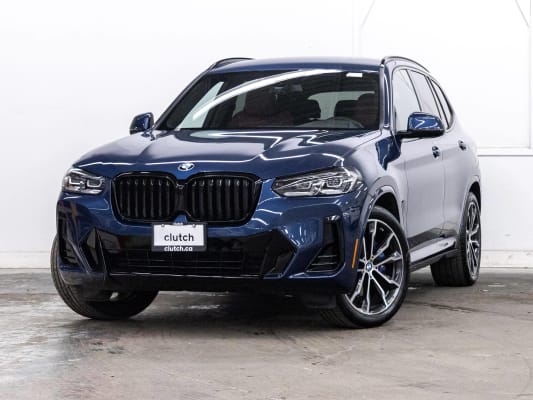
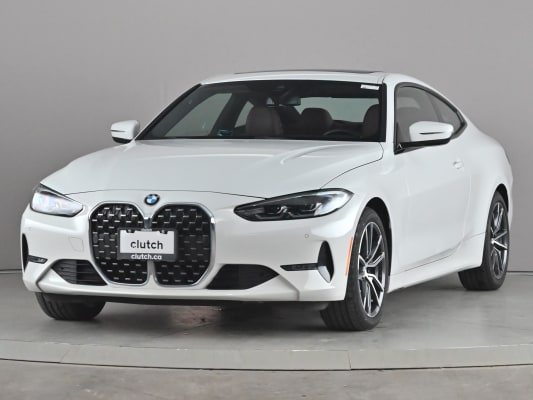
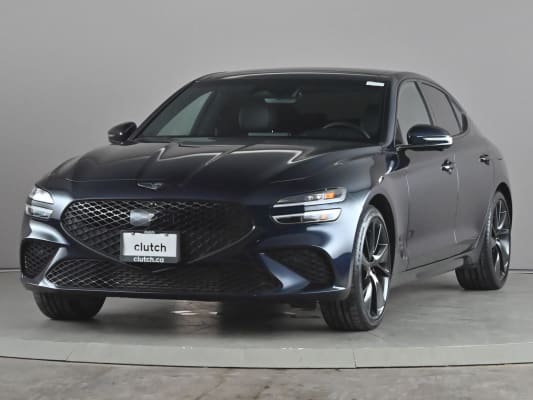
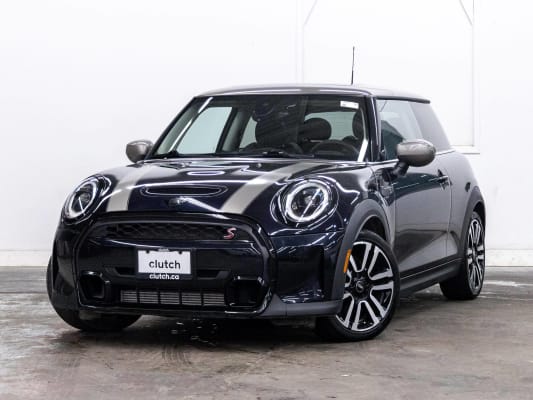
BMW failures concentrate in three areas: cooling system, electrical, and engine internals. Water pumps, thermostats, expansion tanks, and radiator hoses need attention more often than industry average, especially on six-cylinder and turbocharged models past 80,000 km. Battery management systems, sensors, and electronic control modules show up in warranty claims at higher-than-average rates as cars age. Valve cover gaskets, oil filter housing gaskets, and turbocharger components on the 2.0L and 3.0L turbo engines are common service items. Chronic transmission failure, drivetrain breakdowns, and rust at the rates that drag down truck-heavy brands are all rare. BMW scores 6.63 out of 10 on the 2026 Clutch Certified Reliability Index, twenty-second of 25 brands.
Key Takeaways
- BMW scores 6.63/10 on the Clutch Certified Reliability Index, below the 25-brand average.
- BMW's 90-day warranty repair rate runs roughly 68% above the 25-brand average.
- The most common BMW failure categories are engine, electrical, and cooling system issues.
- When buying a used BMW, the buyer protection on the purchase matters more than for higher-ranked brands. Clutch Certified BMWs include a 10-day return policy.
- A Clutch Certified BMW (one that has cleared the 210-point inspection and been reconditioned) scores 7.85 on the same index, a +1.22 lift from the raw score. The lift is smaller than on most below-average brands because BMW's reliability hit concentrates in post-sale warranty repairs rather than pre-sale items.
What fails on a used BMW when it fails?
BMW's failure pattern centres on engine, electrical, and cooling system issues. These three areas account for the bulk of warranty-covered repairs and the higher pre-sale reconditioning costs we see on BMWs.
Specifically:
Cooling system. BMWs run hot. Water pumps, thermostats, expansion tanks, and radiator hoses all need attention more often than industry average, especially on six-cylinder and turbocharged models past 80,000 km.
Electrical. Battery management systems, sensors, and electronic control modules show up in warranty claims at higher-than-average rates. BMW's tightly integrated electronics produce more dashboard warnings as cars age.
Engine internals. Valve cover gaskets, oil filter housing gaskets, and turbocharger components on the 2.0L and 3.0L turbo engines are common service items. These don't typically render the car unsafe, but they add up over a long ownership period.
What you generally don't see: chronic transmission failure, drivetrain breakdowns, or rust at the rates that drag down Stellantis trucks. BMW's structure and drivetrain hold up reasonably well; the cost is in the smaller, more frequent repairs.
How does BMW rank on the Clutch Certified Reliability Index?
BMW ranks 22nd of 25 brands at 6.63 out of 10, placing it in the below-average tier alongside Mercedes-Benz, Audi, and the Stellantis trucks. The score reflects a consistent pattern across pre-sale and post-sale signals: BMWs arrive at Clutch needing more reconditioning work, and they need warranty-covered repairs at higher rates than the index average.
The reliability profile isn't catastrophic. BMWs aren't unsafe or fundamentally broken cars. The data tells a more specific story: the long-term cost of ownership is higher than mainstream brands because the parts cost more, the labour rates are higher, and certain systems (cooling, electrical, engine internals) need attention more often as the cars age.
For comparison, Lexus, the only luxury brand in the top reliability tier, scores 9.70. Acura scores 9.59. Both are Japanese-luxury alternatives that hold up better on the metrics Clutch measures.
Are higher-mileage BMWs still drivable?
Yes, but the cost trajectory is different from Japanese-mainstream brands. A higher-mileage BMW will continue to drive well, often with strong performance, but ongoing maintenance costs tend to climb faster than they would on a Honda or Toyota of similar age.
For most Canadian buyers, the practical implication is that buying a higher-mileage BMW (past 100,000 km) makes sense if you're prepared for slightly more frequent service visits and slightly higher per-visit costs.
How does Clutch Certified change a BMW's reliability score?
A Clutch Certified BMW scores 7.85 out of 10 on the same Reliability Index. The raw BMW score of 6.63 reflects every BMW in our 2026 dataset. The BMW you'd actually buy at Clutch has already cleared the 210-point inspection and been reconditioned to address anything flagged. Run through the same index methodology, a Clutch Certified BMW scores 7.85, a +1.22 lift from the raw number.
The lift on BMW is smaller than on most below-average brands. That's because BMW's reliability concerns concentrate in post-sale warranty repairs rather than in pre-sale build or intake condition. Inspection and reconditioning address what they can on the pre-sale side, but BMW's higher long-term ownership cost profile is something to budget for as part of overall ownership. For BMW specifically, the inspection and the warranty work as complementary protections rather than overlapping ones.
How does buying a used BMW from Clutch compare to other options?
Buying a Clutch Certified BMW means the inspection, reconditioning, and post-sale protection are all built into the price. Every BMW we sell has cleared the same 210-point inspection (including a 79-point road test), been reconditioned to address anything flagged, and is backed by a 10-day return window. There's no separate inspection fee, no add-on warranty product, and no haggling on the protection.
Compared to:
A private-sale BMW. No inspection, no standardized reconditioning, no return option. You take the car as-is and assume all repair risk. This is the riskiest path for any BMW purchase given the brand's higher long-term repair cost profile.
A non-Clutch dealer BMW. Inspection and warranty terms vary widely. Some dealers offer a 30-day warranty; some sell as-is. Quality of pre-sale work varies.
A manufacturer CPO BMW. Comes with an extended manufacturer warranty (typically 12-24 months), but with a $2,000-$4,000 price premium over an equivalent non-CPO BMW. CPO is usually limited to vehicles under 6 years and 120,000 km. CPO BMWs almost never include a return policy.
For BMW buyers, the warranty is often the deciding factor. CPO offers a longer warranty; Clutch Certified offers a 10-day return option that CPO doesn't. Both are reasonable choices depending on whether you want longer manufacturer-backed coverage or a built-in safety net for the first ten days.
For the full comparison, see Clutch Certified vs CPO: What's the difference?.
Browse used BMWs at Clutch
Every used BMW on clutch.ca is Clutch Certified, with a 210-point inspection, reconditioning, and a 10-day return policy.
FAQs About BMW Reliability
Are BMWs reliable used cars?

BMW scores below the 25-brand average on Clutch's Reliability Index at 6.63/10. Long-term ownership costs run higher than mainstream brands because of more frequent cooling, electrical, and engine-related service needs. BMWs aren't unsafe, but the cost trajectory is different.
What's the most reliable BMW?
Reliability varies by model and engine. Generally, naturally-aspirated 4-cylinder BMWs hold up better than the higher-output turbocharged 6-cylinder variants. For specific model rankings, see the 2026 Clutch Certified Reliability Report.
How long does a BMW last?
With consistent maintenance, BMWs commonly run past 200,000 km. The cost of getting there is what differs from Japanese brands. Plan for higher-than-average ongoing service spending rather than catastrophic failures.
Should I buy a BMW with high mileage?
It depends on your tolerance for ongoing repair costs. A high-mileage BMW will keep driving well, but the per-visit service costs are higher than mainstream brands. The Clutch Certified 210-point inspection and 90-day warranty cover the immediate post-purchase window when latent issues are most likely to surface.
Is a BMW or Lexus more reliable?
Lexus, by a wide margin in our data. Lexus scores 9.70 on the index; BMW scores 6.63. BMW buyers need warranty-covered repairs in the first 90 days at roughly 1.7× the rate Lexus buyers do.
Should I buy a CPO BMW or a Clutch Certified BMW?
Both are reasonable. CPO offers a longer manufacturer warranty (12-24 months) at a $2,000-$4,000 price premium. Clutch Certified is built into the price and includes a 10-day return window CPO almost never offers. CPO is usually limited to BMWs under 6 years and 120,000 km. For older BMWs, Clutch Certified is the only option of the two.
.avif)