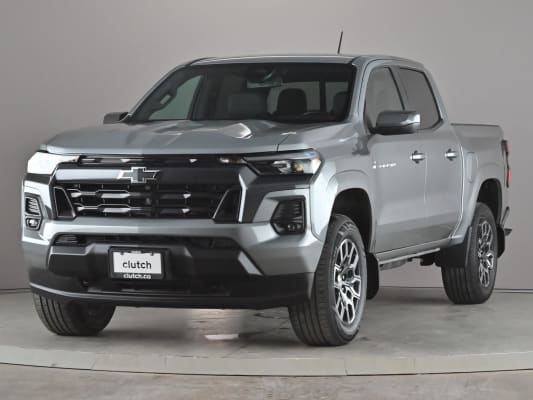
Which used-car brands rank most reliable in Canada?
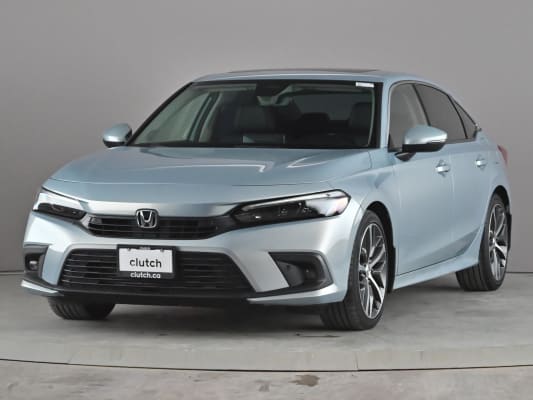
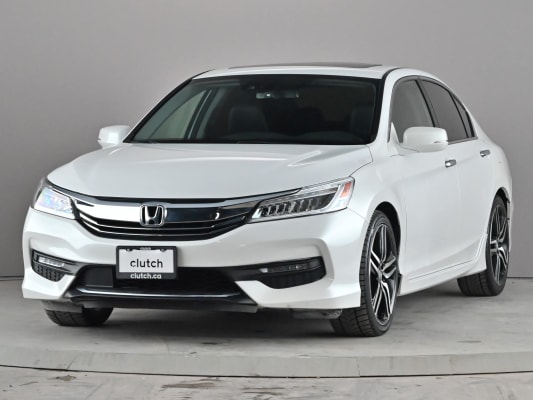
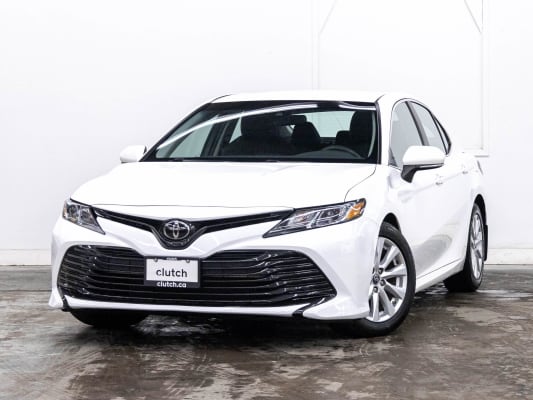
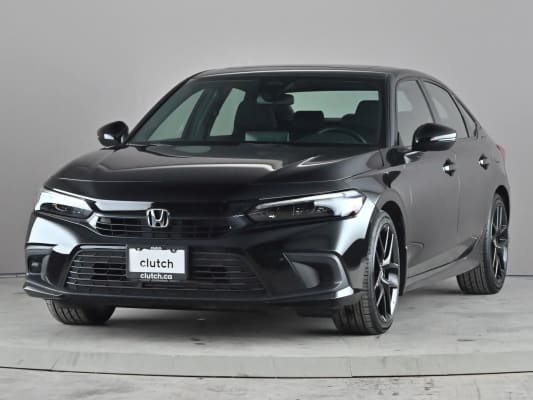
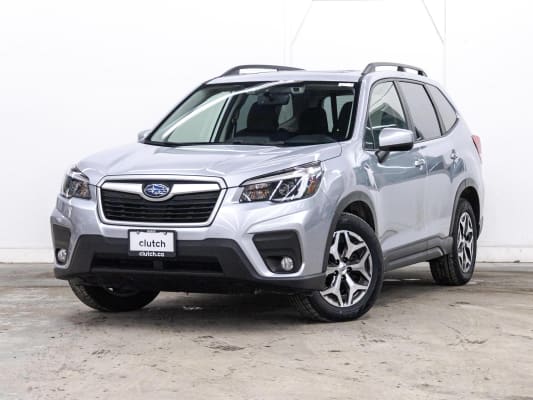
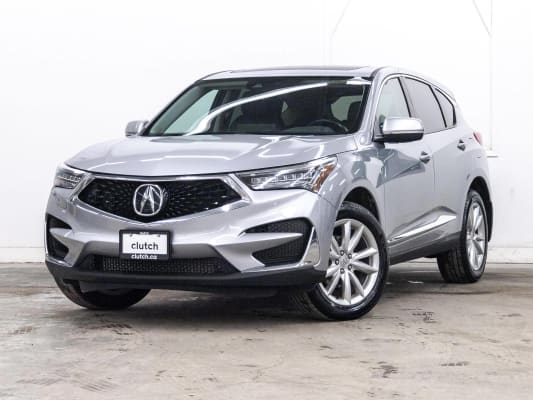
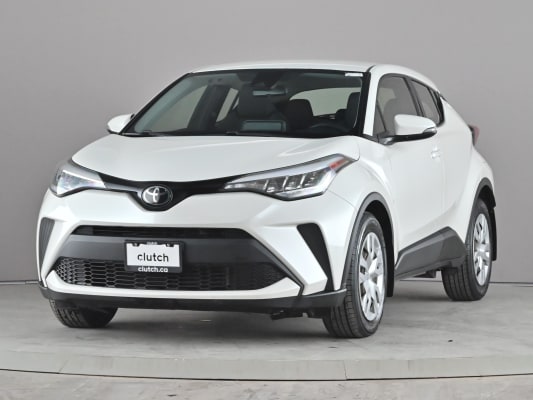
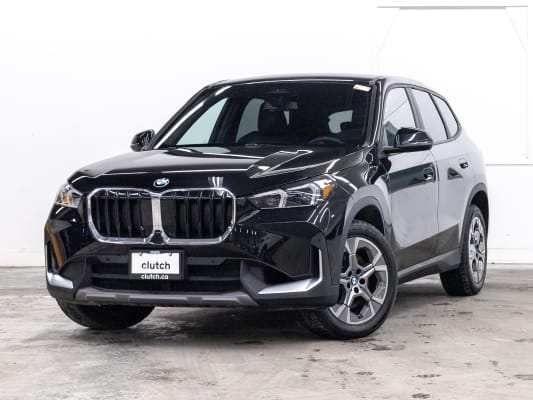
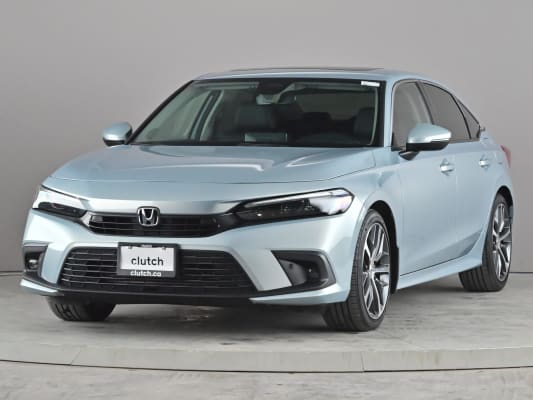
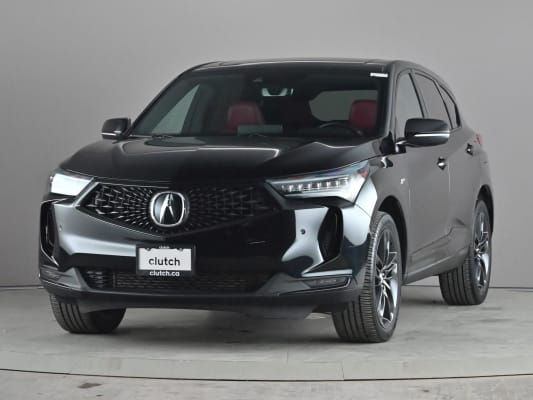
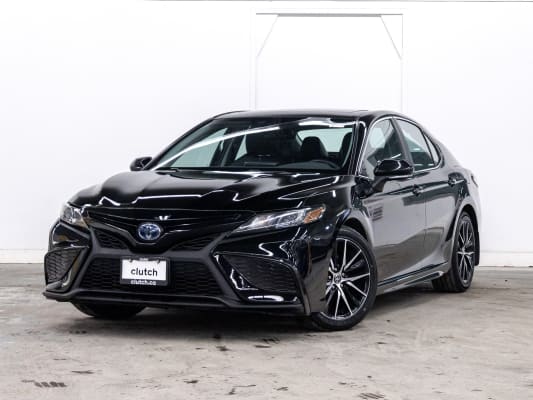
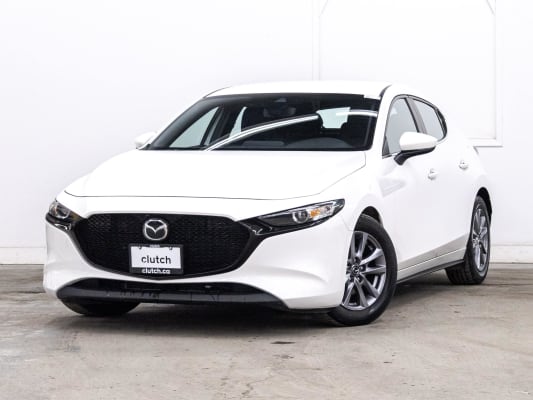
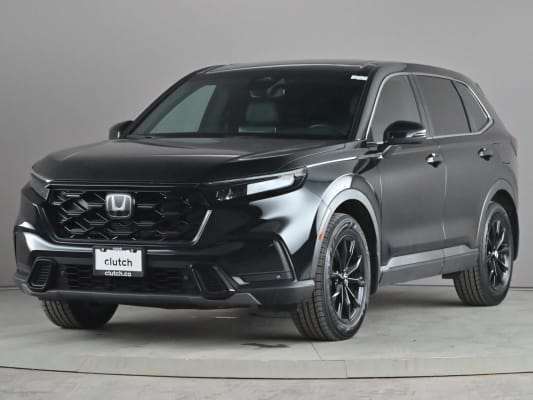
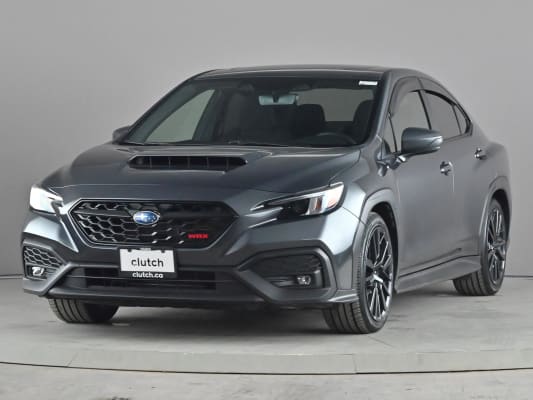
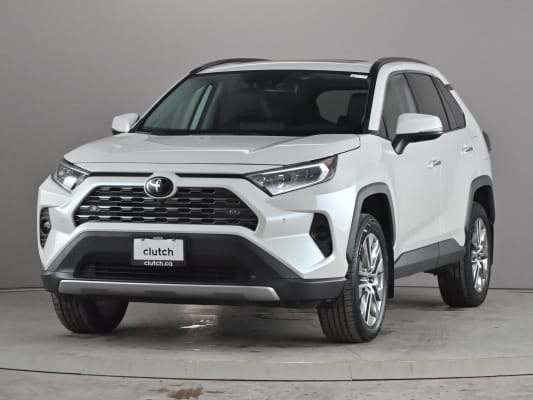
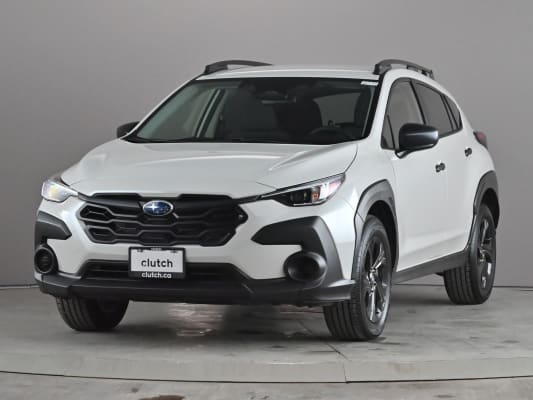
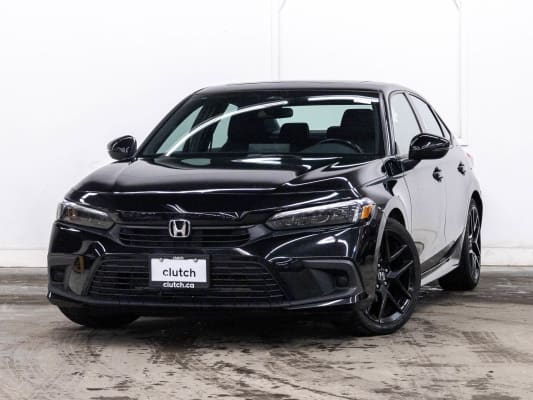
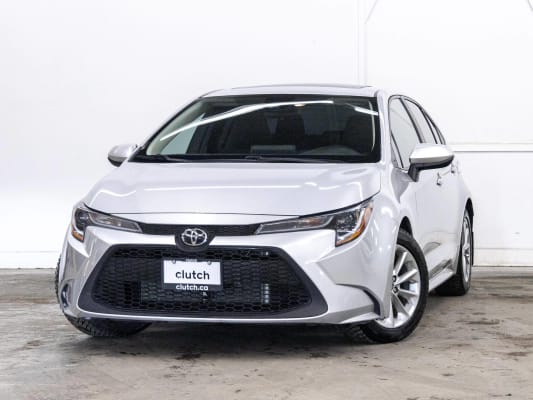
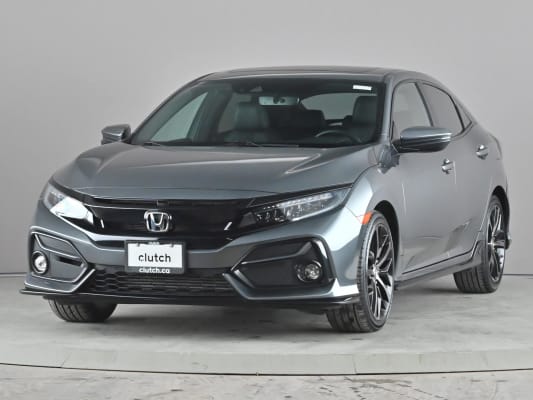
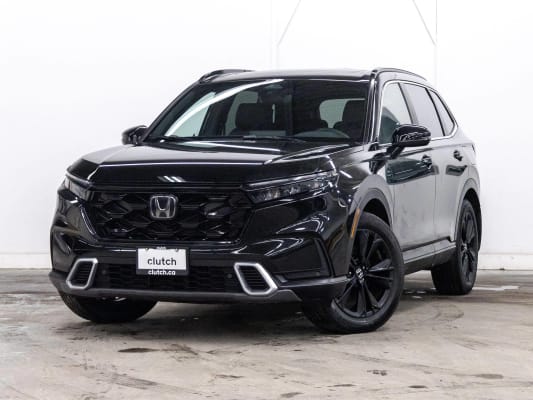
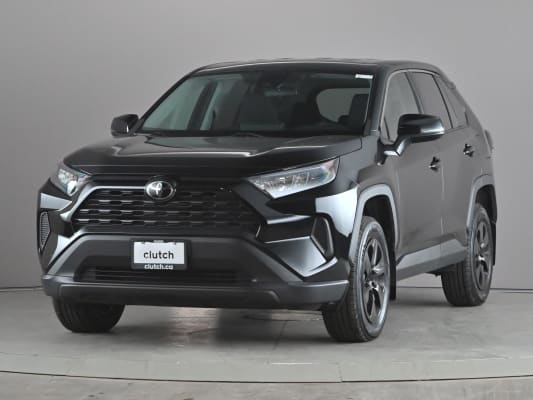
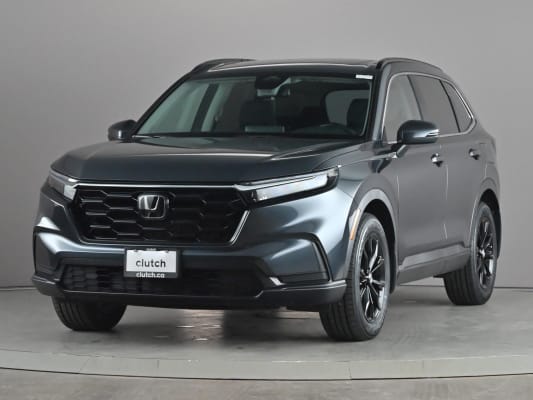
Japanese brands sweep the top of the 2026 Clutch Certified Reliability Index. Seven brands score above 9.0: Lexus, Subaru, Acura, Toyota, Honda, MINI, and Mazda. Six of those seven are Japanese.

#1 overall

lowest rated
The Clutch Certified Reliability Index
25 brands ranked across 4 reliability dimensions
Lexus leads because its worst pillar is better than most brands' best.Lexus tops the index at 9.70 because its weakest pillar is still excellent.
Every other top-tier brand has at least one pillar that drops to "good" rather than great: Subaru's inspection-pass rate, Honda's customer-return rate, Acura and MINI on warranty rates near the 25-brand average. Lexus is the only brand in the dataset where all four pillars sit firmly in the top quartile. The shared trait across the top tier is no weak pillar. These brands arrive at Clutch in cleaner condition, need less reconditioning, and generate fewer post-sale issues. Japanese brands collectively file 90-day warranty claims at roughly 30% below the 25-brand average, and at less than half the rate of the German luxury and Stellantis clusters at the bottom.
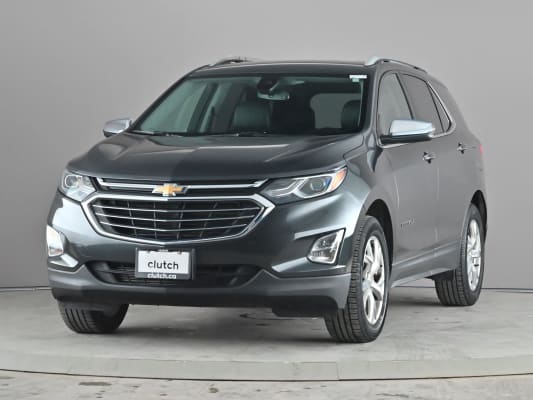
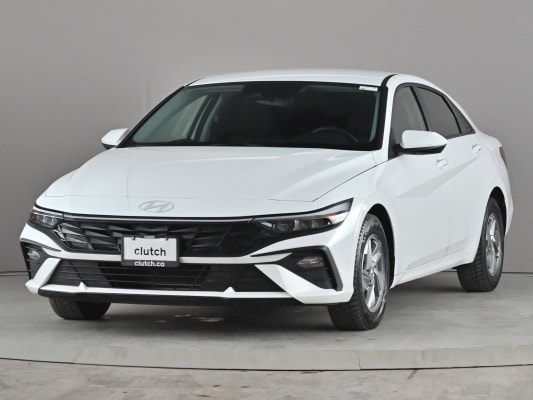
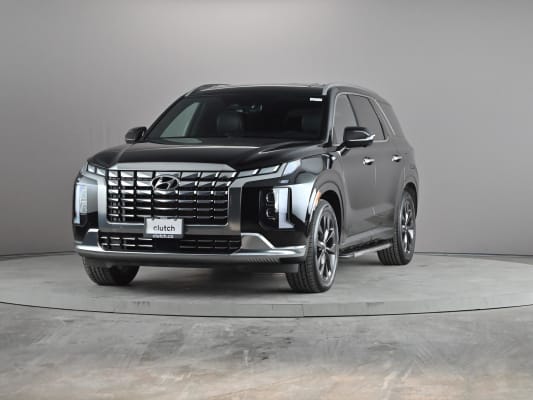
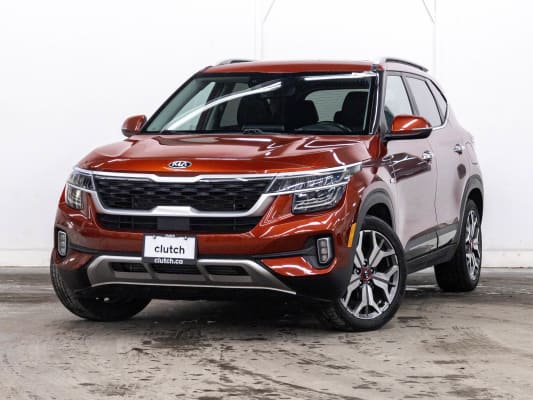
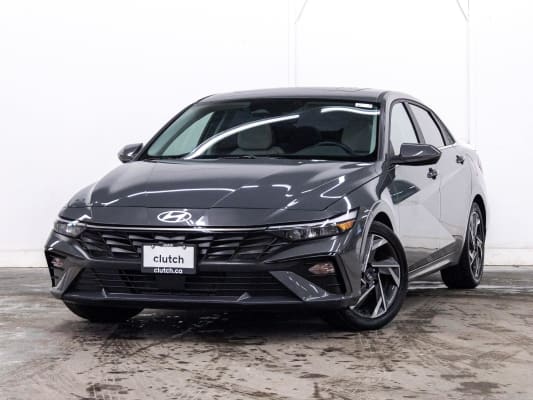
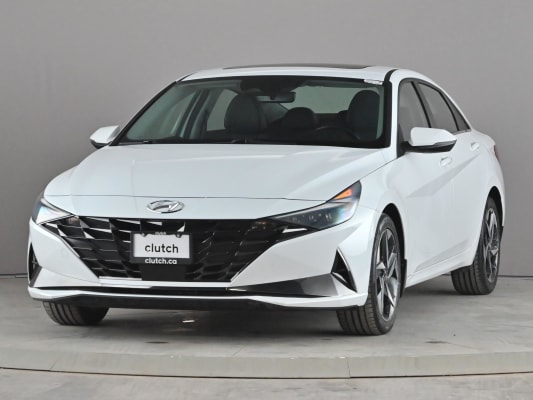
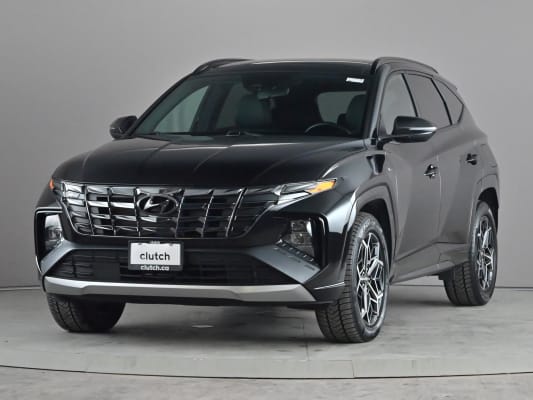
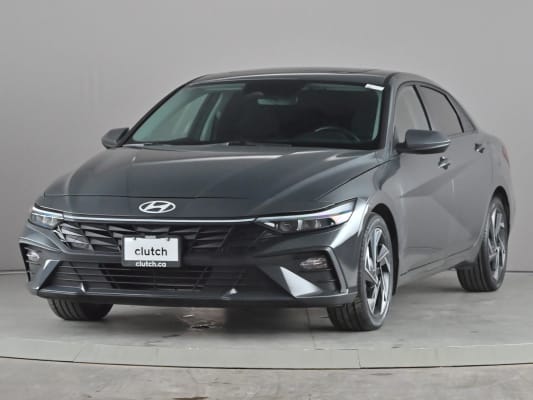
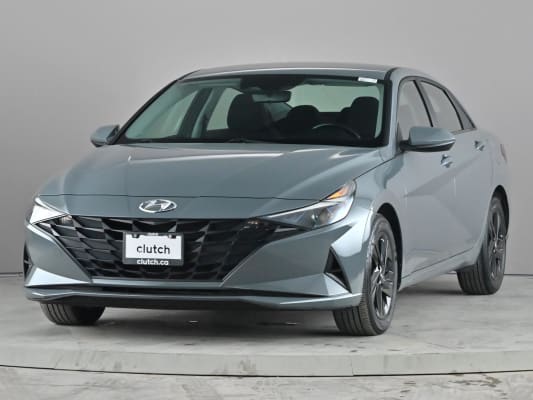
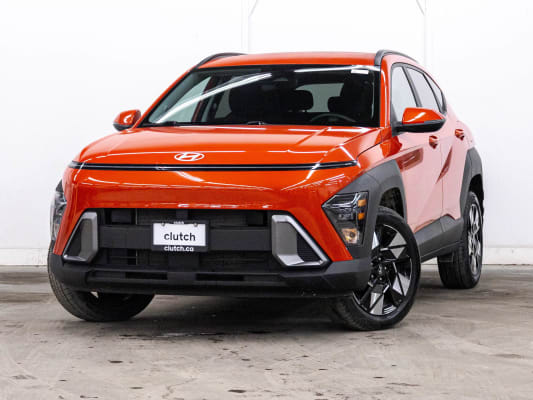
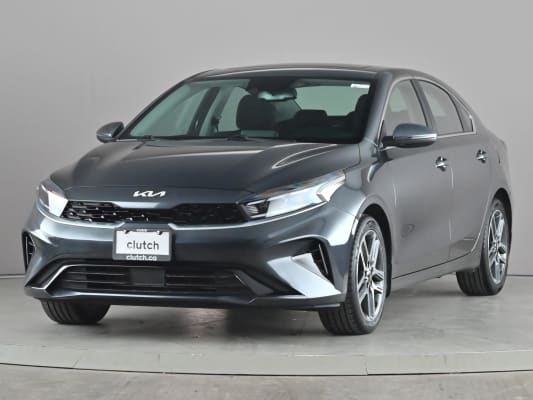
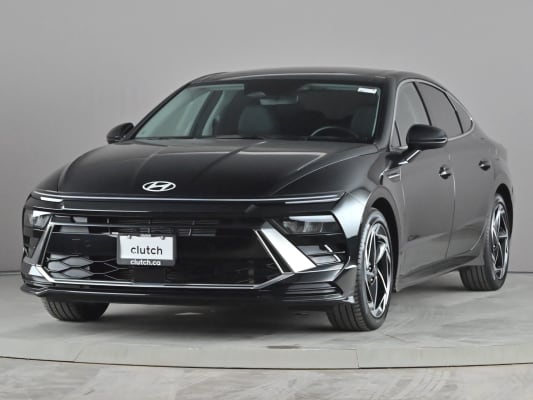
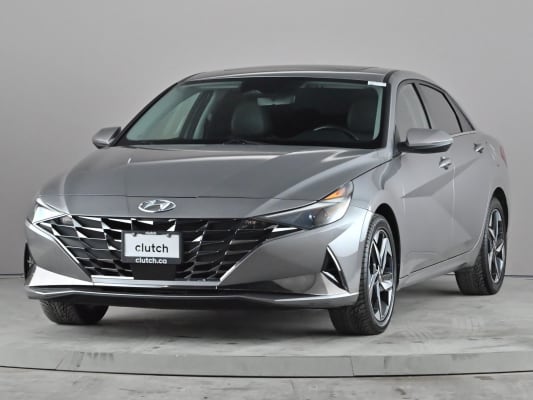
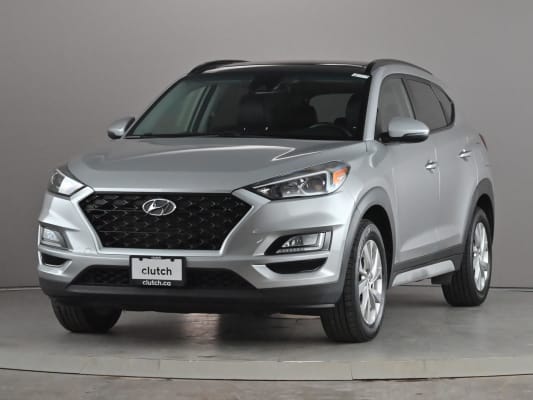
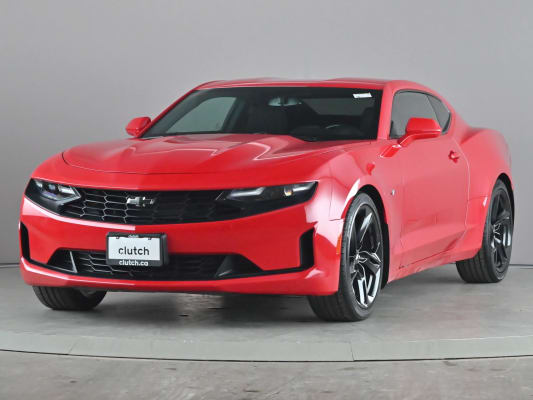
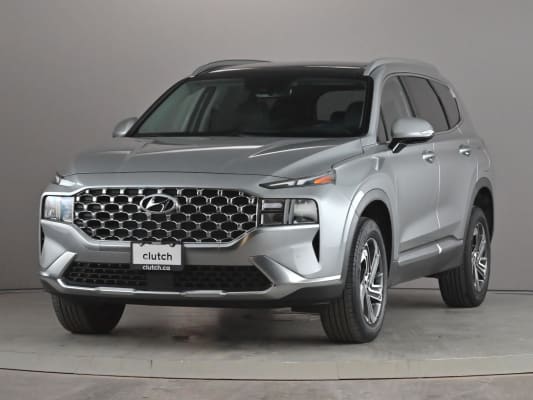
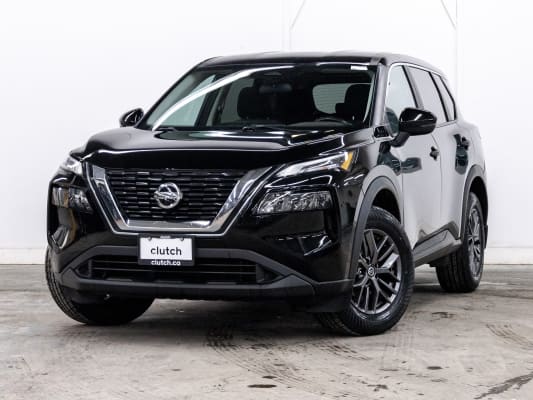
Above the average line: Nissan (8.71), Kia (8.56), Hyundai (8.55), and Mitsubishi (8.20). Chevrolet (7.99) sits right on it. Hyundai and Kia stand out here. Hyundai and Kia's old reputation for unreliable engines traces to the 2011-2019 Theta II 2.0L and 2.4L. Today's lineup runs different architecture.
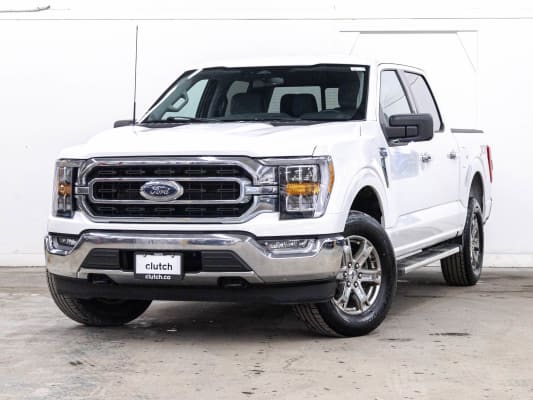
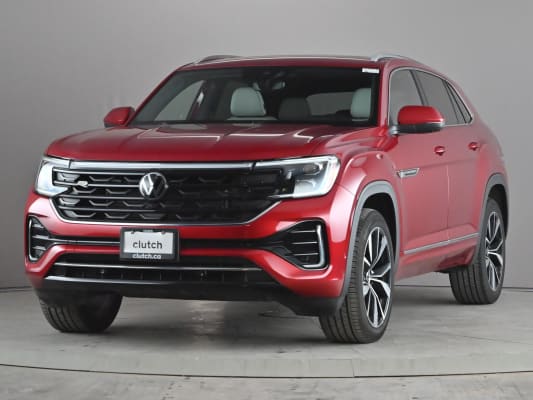
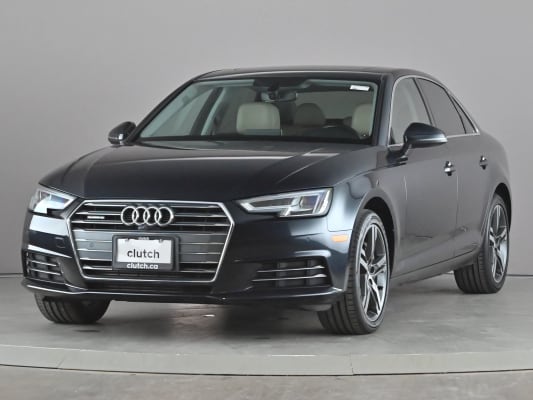
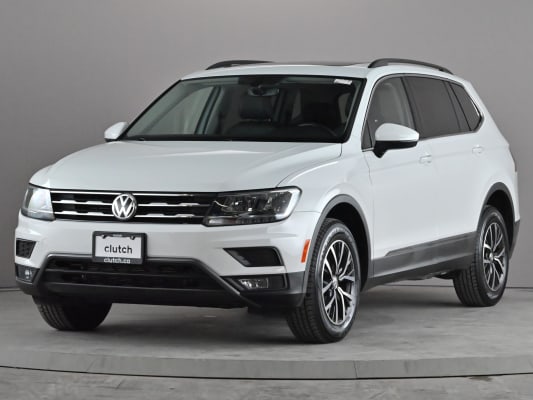
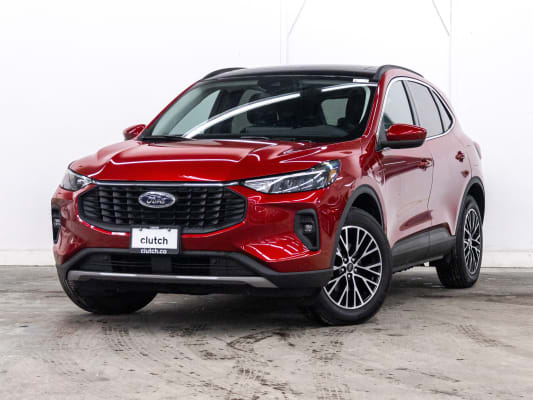
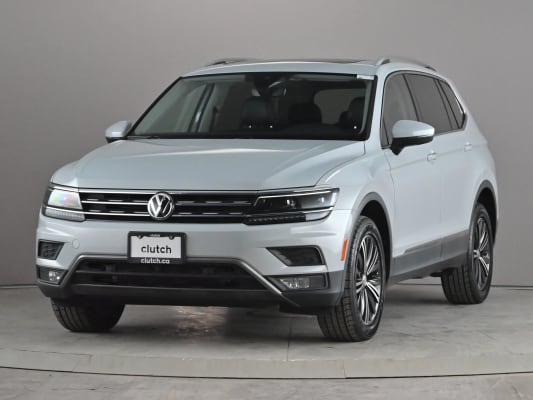
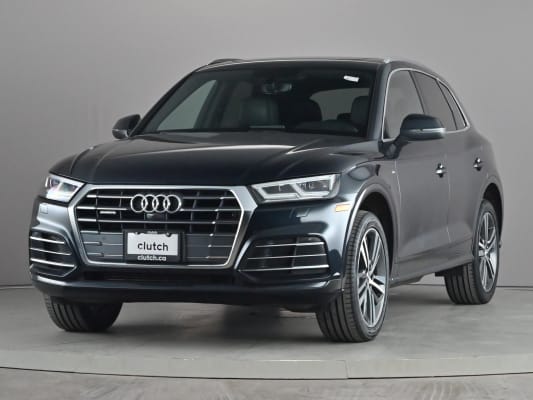
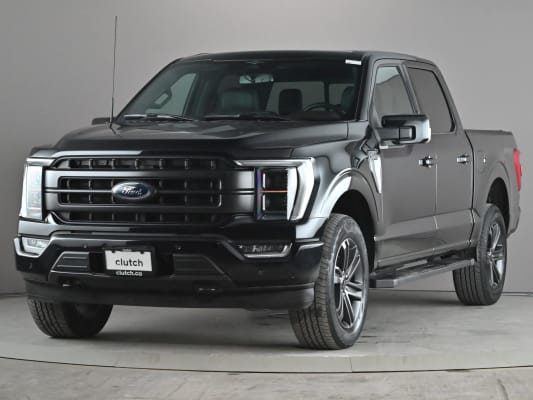
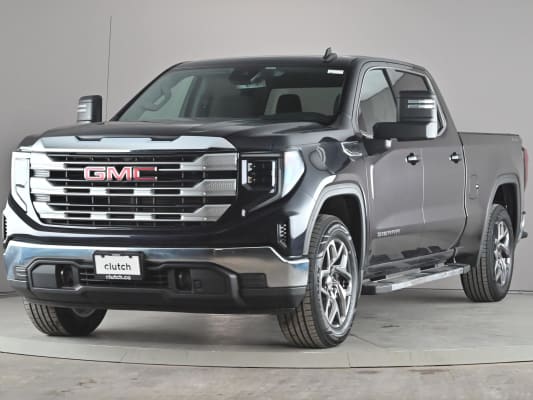
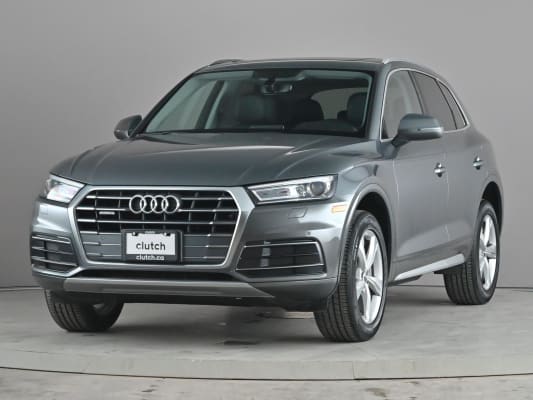
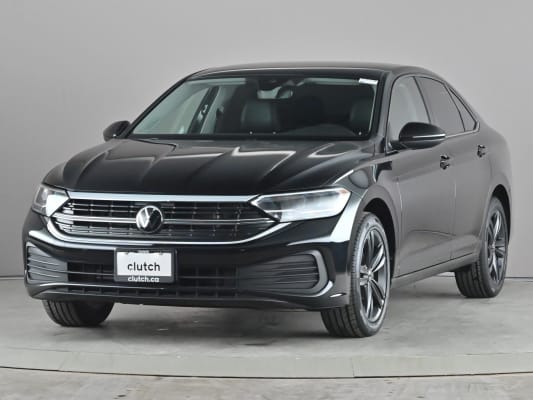
Nissan's middle-of-the-index position carries its own legacy issue: CVT transmission problems affected most of Nissan's lineup from 2010 through 2019, with the worst concentration in 2013-2018 model years. Newer Nissan models on revised CVT designs perform better, but the historical wave is still present in the used market. Just below average: Volkswagen (7.77), GMC (7.71), Audi (7.58), and Ford (7.14). Each has its own weak spot, not a systemic problem.
Below the 25-brand average sit eleven brands. Two clusters tell most of the story.
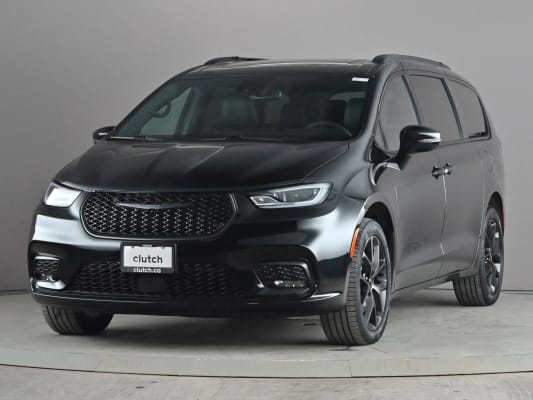
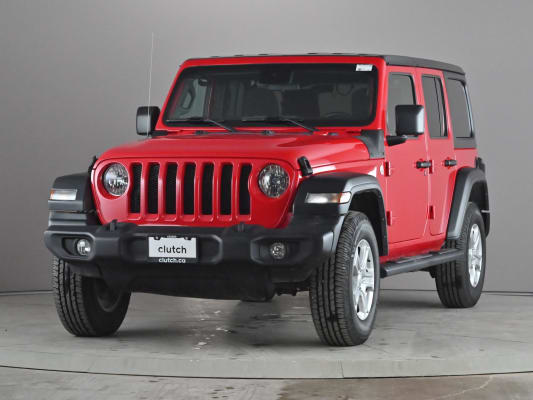
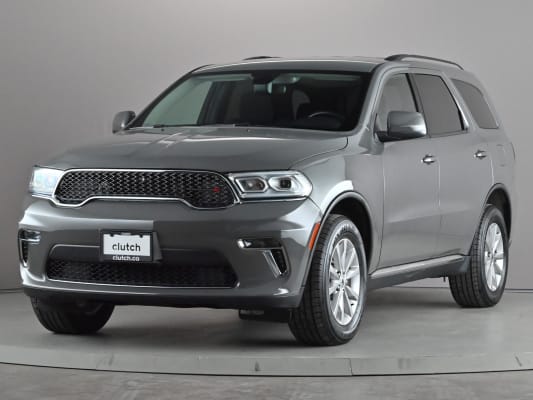
Stellantis. Jeep (6.38), Dodge (6.65), and Ram (6.21) share a parent company and share a reliability profile: higher inspection failure rates at intake, higher repair costs, and a dominant pattern of rust, drivetrain wear, and body-system issues.
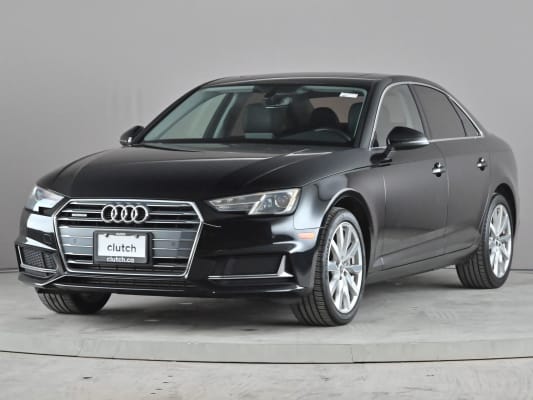
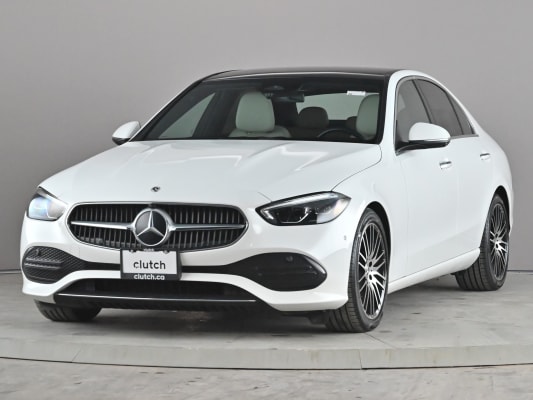
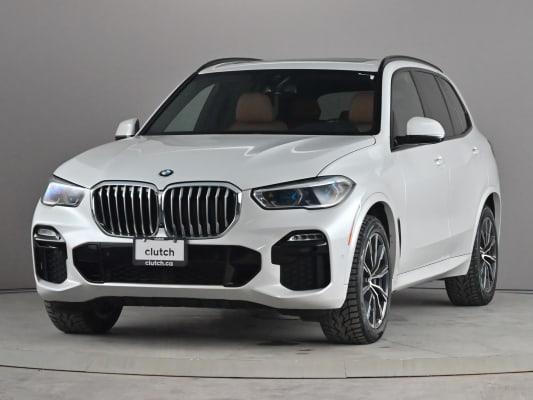
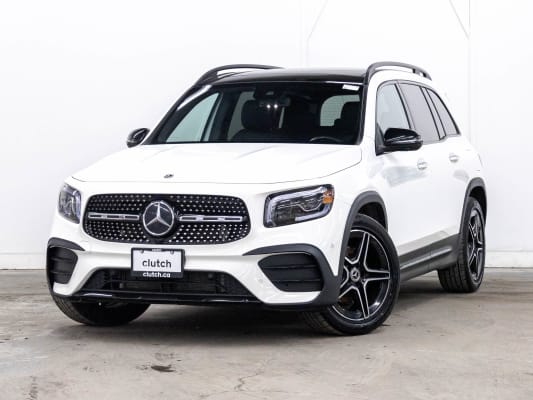
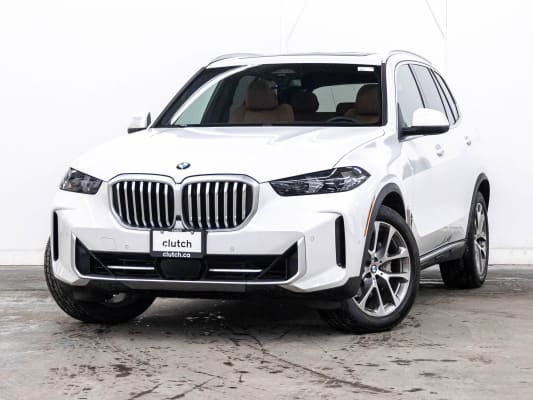
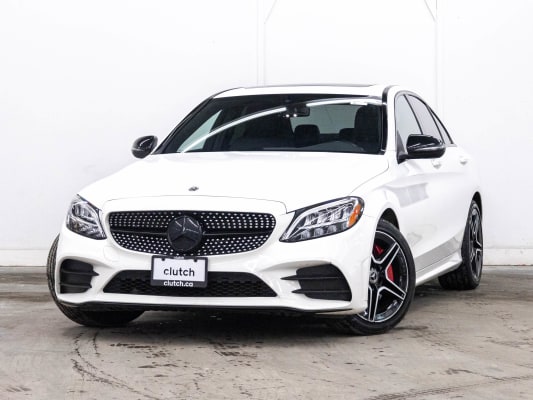
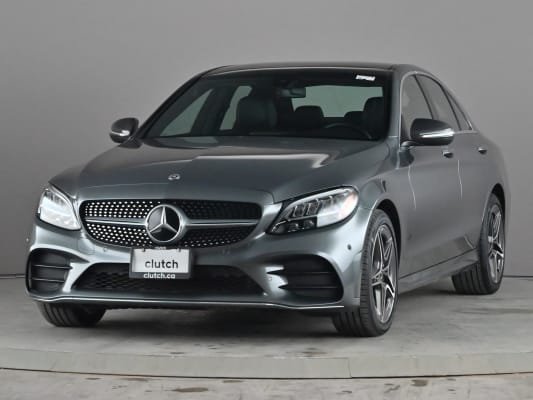
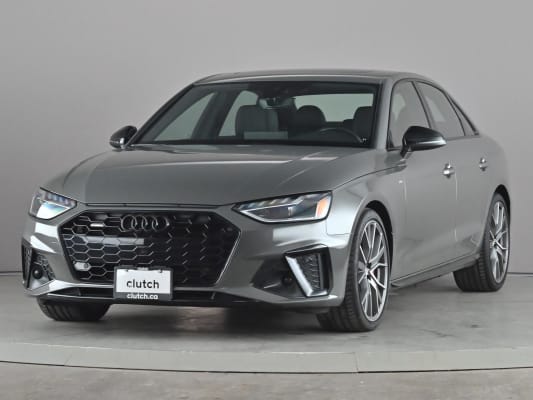
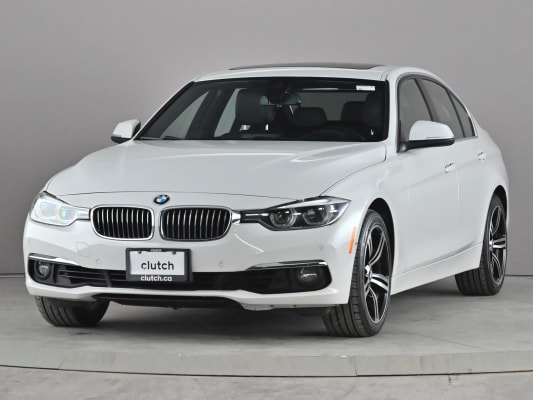
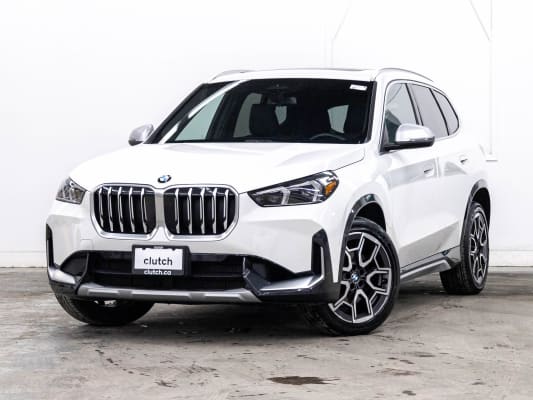
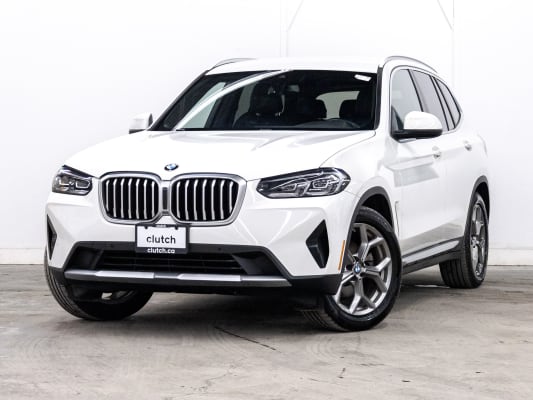
German luxury. BMW (6.63), Mercedes-Benz (7.27), and Audi (7.58) all score below the 25-brand average. The three share a profile: elevated engine, electrical, and cooling claims; higher pre-sale repair costs; and warranty rates that run roughly 2× the Japanese top tier.
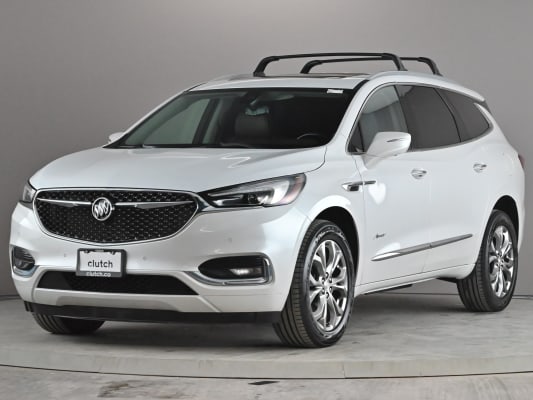
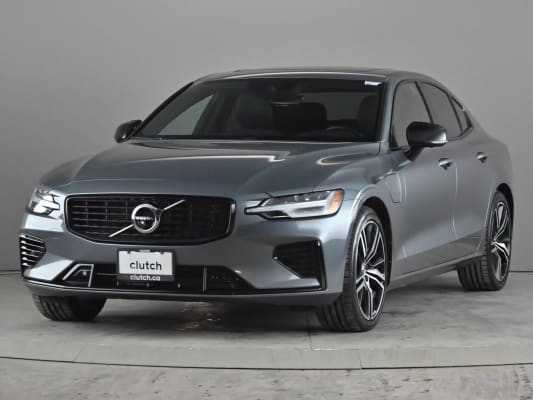
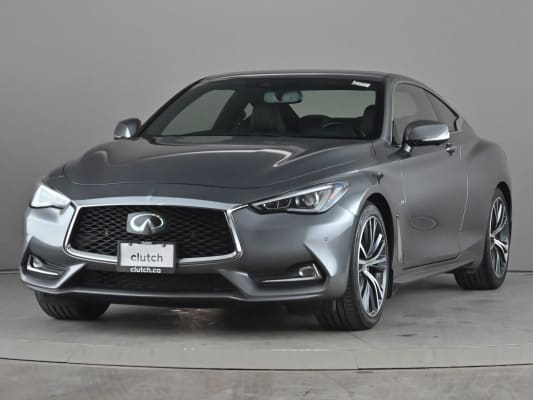
Tesla (6.92), Infiniti (6.27), Buick (6.92), and Volvo (7.35) round out the below-average tier, each with its own profile.
Do all brands fail the same way?
No. Every brand has a distinct reliability profile with its own characteristic failure pattern.
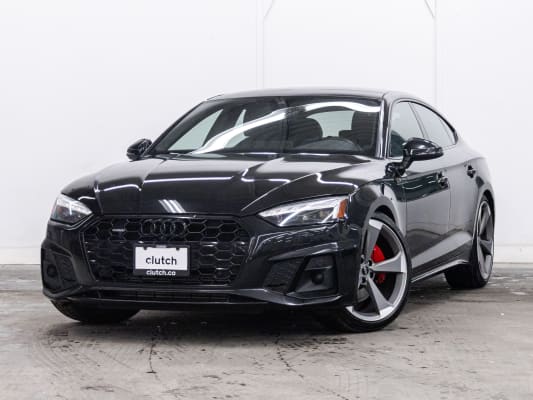
Some patterns are intuitive. Hyundai and Kia's engine issues concentrate on specific engine families. Dodge and Ram's rust profiles track Canadian salt exposure and a truck-heavy product mix. Audi shows a triple threat of engine, drivetrain, and fluid leaks.
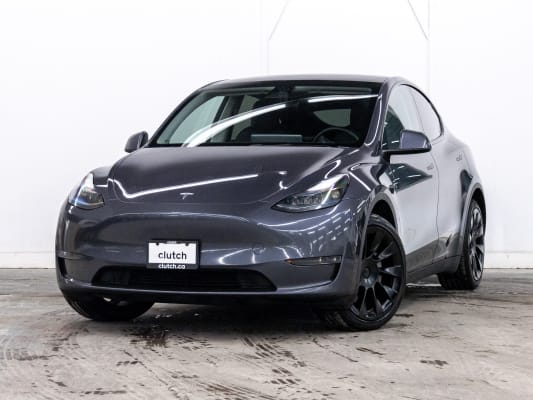
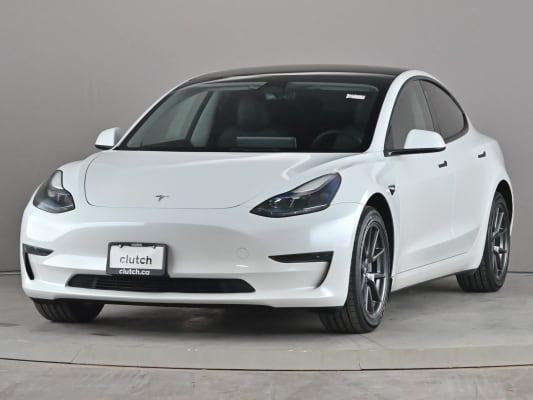
Some are counter-intuitive. Tesla's top issue isn't electronics or software, it's rust on early Model 3 panels. Subaru's biggest failure category is aftermarket modifications on enthusiast models (WRX, BRZ).
Every Brand Has Its Own Story
Reliability grades across 5 vehicle systems, with each grade drawing from all 4 pillars of Clutch Certified: inspection, reconditioning, warranty, and returns.
| Brand | Power- train |
Brakes & Steering |
Electrical & Tech |
Climate & Interior |
Body & Glass |
|---|
How does Clutch Certified elevate every car's reliability?
Clutch's process raises the average reliability score across the 25 brands we measured from 7.99 to 9.32, a +1.33-point lift driven entirely by what we filter out at intake and what we fix in reconditioning. Every brand in the index gets a measurable lift; the brands that need the most filtering get the biggest one. The lift is largest on brands that arrive with the most issues, and smallest on brands already strong at intake.
How Clutch Certified Elevates Every Car
Before any car gets listed on clutch.ca, roughly 50% of what Clutch buys fails our 210-point inspection and is sent to wholesale auctions. From the cars that pass, we invest over $2,000 per vehicle in reconditioning before listing. The Clutch Certified score reflects the vehicles we actually sell — not every used car of that brand on the road.
The lift is largest on brands that start lowest. Dodge goes from 6.65 to 9.61 (+2.97). Ram goes from 6.21 to 8.83 (+2.63). Jeep, GMC, and Tesla all gain more than 2 points. These are the brands where Clutch's reconditioning does the heaviest work to reach the Clutch Certified standard.
The lift is smallest on brands already at the top. Lexus, MINI, Subaru, and the Japanese top tier gain 0.1 to 0.2 points. There's less room to go up. The process confirms what's already clean rather than fixing what's broken.
The brands with the biggest lift are also where Clutch Certified does the most work relative to buying off the open market. A used Dodge or Ram bought through Clutch passes through a filter and a reconditioning process that the same vehicle wouldn't see on a private sale or an as-is dealer lot. Buyers shopping these brands benefit most from the Certified process — the lift relative to the open market is largest there.


How does fuel type affect reliability?
Hybrids and gas vehicles fail Clutch's 210-point inspection at almost identical rates in the first six years (10.6% vs 10.7% at 0-3 years; 21.5% vs 22.3% at 4-6 years). EVs trail by 4 to 5 percentage points. But 78% of the EV pool is Tesla, and once Tesla is split out, the gap is almost entirely Tesla. The reason isn't EV technology. It's manufacturing.
% of vehicles that fail Clutch's 210-point standard, by powertrain. Hybrids and gas run within a percentage point of each other. EVs trail by 4–5 points.
0–3 years old
4–6 years old
Hybrids and gas track each other closely on inspection failure for the first six years. EVs run 4 to 5 percentage points higher in the same window. That aggregate EV figure hides something specific: most of the gap is one brand.
The EV gap is a Tesla gap
Tesla makes up 78% of the EVs Clutch acquires. Once Tesla is separated from non-Tesla EVs, the post-sale picture changes sharply. Tesla files paid warranty claims at 11.5 per 100 vehicles sold. Non-Tesla EVs file at 7.5 per 100, the lowest claim rate of any fuel type in our dataset.
The "EV reliability problem" is, in the data, mostly a Tesla problem. The more telling question is which categories drive that gap, and how Tesla compares to gas and hybrid in each one.
Where Tesla Differs From the Rest
EVs carry a reliability reputation problem. Most of that reputation belongs to one brand. Tesla makes up 78% of the EVs Clutch acquires, and its post-sale claim rate of 11.5 per 100 vehicles pulls the aggregate EV number up. Separate Tesla out, and non-Tesla EVs file at 7.5 per 100 — the lowest of any powertrain in our dataset. Lower than gas (10.3). Lower than hybrid (8.0). The EV reliability problem, in the data, is a Tesla problem.
 Tesla's EV architecture works. Tesla's factory doesn't.
The pattern goes beyond "Tesla worse than other EVs." On the four categories that map to physical assembly (body panels and interior, HVAC, brakes and suspension, electrical wiring), Tesla files claims at the highest rate of any fuel type. Higher than gas. Higher than hybrid. Higher than non-Tesla EVs. These aren't EV-specific failures. They're manufacturing-consistency issues that show up on early Model 3 and Model Y production years, and that NHTSA has documented in multiple suspension-related recalls.
The biggest Tesla-specific pattern is suspension — control arms and components that frequently need premature replacement, typically $1,000–$2,000 per affected vehicle.
Issues per 100 vehicles sold — lower is better
The pattern: Tesla files claims at higher rates than gas, hybrid, and non-Tesla EVs on every category that maps to physical assembly: body panels, interior fit, HVAC, brakes, suspension, electrical wiring. Tesla beats every other fuel type on powertrain. Non-Tesla EVs file claims at lower rates than gas across the board. The reliability gap isn't EV technology. It's Tesla manufacturing consistency.
So where does Tesla win? On powertrain reliability. An EV drivetrain has far fewer moving parts than a gas engine and transmission, and the data reflects that across all EVs. Tesla's powertrain claim rate is 6.7x lower than gas, 3x lower than hybrid, and roughly half the non-Tesla EV rate. The EV architecture works. The car wrapped around it has a quality problem.
The non-Tesla EV column is the quiet finding. Across every category, non-Tesla EVs file claims at lower rates than gas. Their total post-sale claim rate of 7.5 per 100 is the lowest of any fuel type in our dataset, beating both gas (10.3) and hybrid (8.0).
What this means for buyers: a used EV doesn't have to be a worse bet than a used gas or hybrid. Non-Tesla EVs file warranty claims less often than gas vehicles in the same window. The "EV reliability problem" most buyers have heard about is, in our data, a Tesla manufacturing-consistency problem, not a problem with electric vehicles in general.
German luxury performs worse against the 25-brand average on every pillar Clutch measures. Japanese luxury performs better on every pillar.



Lexus and Acura are the rare exceptions, and the reason is upstream. Toyota and Honda apply exceptional engineering standards focused on reliability across their entire lineups, which their luxury siblings inherit. Every other premium brand in our dataset carries a measurable reliability gap that doesn't disappear with the badge.
What this means for buyers: the premium price tag rarely buys premium reliability. If you're shopping luxury used and want the lowest expected ownership costs, Lexus and Acura are in a category of their own. Every other premium brand averages higher repair costs and more reconditioning needs than its mainstream counterparts. The premium you pay at purchase is often paid again in the shop.
Conclusion
Nine years and 100,000+ inspected used cars give the Canadian market its first proprietary reliability picture, built on physical inspection and post-sale outcomes rather than owner surveys.
The patterns are clear: Japanese brands sweep the top of the index, premium brands underperform mainstream brands on average with Lexus and Acura the only exceptions, the EV reliability gap most buyers have heard about is mostly a Tesla manufacturing-consistency problem rather than an EV-technology problem, and brand matters more than mileage at every age band.
But every car Clutch sells has already cleared the 210-point standard, been reconditioned to spec, and is backed by our 10-day return policy. The process raises the average reliability score across all 25 brands from 7.99 to 9.32. That's a +1.33-point lift. Only the cars that pass our 210-point inspection make it to clutch.ca, and each one gets $2,000+ of reconditioning before sale. That's why a Clutch Certified car is measurably more reliable than the brand it belongs to.

FAQs About the Clutch Certified Reliability Report
What is the Clutch Certified Reliability Index?

The Clutch Certified Reliability Index is a composite score for 25 used-car brands, built from Clutch's first-party data on inspections, reconditioning, warranty claims, and customer returns. Scores are reported on a 10-point reliability scale, with the 25-brand average near 8.0. Lexus leads at 9.70.
Which brand has the most reliable used cars in Canada?
Lexus ranks #1 in the 2026 Clutch Certified Reliability Index with a score of 9.70. Subaru (9.68), Acura (9.59), Toyota (9.57), and Honda (9.55) round out the top 5. All five post above-average results on every pillar measured.
Are premium brands less reliable than mainstream brands?
Yes, on average. Six of the nine premium brands in the Clutch Certified Reliability Index sit below the 25-brand average. Warranty repairs on premium vehicles cost 89% more than on mainstream vehicles in the first 90 days. Lexus and Acura are the only premium brands in the top tier, both inheriting Toyota and Honda's engineering culture.
Are German luxury cars less reliable than Japanese luxury cars?
Yes, based on our data. BMW, Mercedes-Benz, and Audi all score below the 25-brand average (6.63, 7.27, and 7.58). Lexus (9.70) and Acura (9.59) sit in the top tier. BMW and Mercedes-Benz vehicles need warranty-covered repairs in the first 90 days at roughly 1.7× the rate of Lexus.
Is mileage a good predictor of used-car reliability?
No, not on its own. In our data, a Honda at 120,000 km passes our 210-point inspection more often than a Chevrolet at 60,000 km. Brand matters more than mileage, though both matter inside a single brand.
How does fuel type affect reliability?
Hybrids and gas track each other closely on inspection failure through the first six years (10.6% vs 10.7% at 0-3 years; 21.5% vs 22.3% at 4-6 years). EVs run higher in the same window (15.3% at 0-3 years, 25.3% at 4-6). But the EV pool is 78% Tesla, and once Tesla is separated out, non-Tesla EVs file post-sale warranty claims at roughly hybrid rates. The "EV reliability problem" most buyers have heard about is, in our data, mostly a Tesla manufacturing-consistency story concentrated in body panels, HVAC, brakes, and suspension. It isn't a problem with EV technology in general.
What does Clutch Certified cover?
Every Clutch Certified vehicle clears our 210-point inspection, is reconditioned to our standard, and comes with a 10-day return policy. If something isn't right in the first ten days, the customer can return the car. Optional warranty coverage is available on select packages for buyers who want extended post-sale protection.
.avif)